

LIFTING HOOKS
Lifting hooks are essential devices used to lift loads safely and in a controlled manner in a wide variety of industrial and commercial settings. These hooks are designed to provide a strong and secure attachment point for cables, chains, or other lifting equipment. They can be used in combination with cranes, hoists, forklifts, and other lifting equipment.
Below is some important information about lifting hooks:
Types of hooks: There are various types of lifting hooks, including eye hooks, clevis hooks, latch hooks, and other specialized designs to meet specific lifting requirements.
Materials: Lifting hooks are made from high-strength materials such as alloy steel or stainless steel to ensure durability and safety during load lifting.
Safety regulations: Lifting hooks must comply with specific safety regulations and requirements to ensure safe lifting operations. These regulations establish design, manufacturing, load capacity, and inspection requirements for hooks.
Maintenance: It is essential to regularly carry out inspections and maintenance of lifting hooks to ensure they are in optimal condition. This includes checking for any signs of wear, damage, or deformation.
Applications: Lifting hooks are widely used in sectors such as construction, manufacturing, offshore operations, shipbuilding, and many other industrial lifting applications.
It is important to emphasize that the correct use of lifting hooks and compliance with safety regulations are fundamental to preventing accidents and ensuring a safe working environment for operators involved in lifting loads.
In conclusion, lifting hooks are essential components for many industrial lifting operations and must be used in accordance with safety regulations and best practices to ensure safe and reliable load handling.
There are two types of lifting hooks, namely:
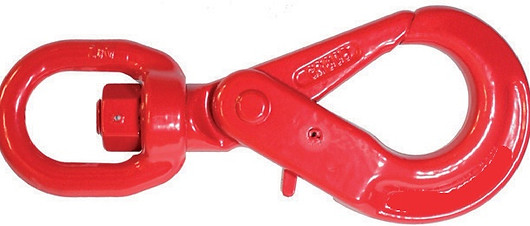
Grade 80 lifting hooks are designed and built to particularly high strength and safety specifications. The "Grade 80" designation refers to the fact that these hooks are made of grade 80 steel, which offers superior strength compared to other materials.
Here are some important features and considerations regarding Grade 80 lifting hooks:
Grade 80 Material: Grade 80 lifting hooks are manufactured using grade 80 steel, which offers superior strength and greater load capacity than lower grade materials.
Load Capacity: Thanks to their sturdy construction and high-strength material, Grade 80 lifting hooks can handle heavy loads safely and reliably.
Regulations and Standards: Grade 80 lifting hooks must comply with specific safety regulations and certification requirements to ensure compliance with lifting regulations and best safety practices.
Applications: These hooks are often used in settings where high load capacity and superior strength are required, such as heavy industry, construction, ship lifting and other demanding industrial applications.
Maintenance and Inspection: Regular inspection and maintenance of Grade 80 lifting hooks is essential to ensure they are in optimal condition. It is also important to follow inspection and maintenance procedures required by safety regulations.
Using Grade 80 lifting hooks offers a reliable solution for heavy-duty lifting needs and ensures a higher level of safety in industrial lifting operations. However, it is essential to ensure they are used in compliance with regulations and best practices to ensure safe and reliable lifting of loads.

Grade 100 lifting hooks are essential components for safe load handling. These high-performance accessories are designed to withstand the most demanding applications. Here are some types of Grade 100 lifting hooks:
Fork hooks: These hooks are used to connect chains or lifting cables. They can be equipped with a swivel safety catch or without.
Shortening hooks: Ideal for adjusting the length of lifting chains or cables. They can be eye or fork-type, with or without a safety catch.
Safety hooks: These hooks are designed to prevent accidental release of loads. They can be either clevis or eye type.
The term "Grade 100" refers to a specific classification for lifting hooks. This classification indicates the strength and quality of the material used to manufacture these hooks and is the highest grade available. It indicates that the material used to construct these hooks has a minimum strength of 100 tons per square inch (psi). In other words, these hooks are extremely sturdy and can withstand heavy loads without deforming or breaking.
So, when we talk about Grade 100 lifting hooks, we are referring to hooks that have been designed and tested to withstand harsh conditions and ensure safety in lifting operations.

Safety rules for using lifting hooks are essential to ensure safe and reliable operations. Here are some fundamental precautions for their use:
Maximum load: Never exceed the hook's working load limit. Make sure you know the maximum load allowed and strictly adhere to it.
Correct connection: Connect the hook correctly to the load. Avoid unbalanced loads or loads that could cause the hook to tip.
Hook integrity: Regularly inspect the hook for damage, wear, or deformation. Do not use damaged hooks.
Hook Identification: The hook must have a manufacturer's identification and a load rating. This information must be engraved on a low-stress area of the hook.
Temperature and Corrosion: Avoid exposure to extreme temperatures or corrosive substances that could compromise the strength of the hook.
Load Angles: For duplex or quad hitches, consult the manufacturer or a qualified person to determine allowable load angles.
Regular inspections: Perform regular inspections of the hooks. Inspections should be performed by a designated person, and any defects should be assessed by a qualified person.